The market for used phones in Egypt is experiencing a growing demand for old and damaged mobile devices, particularly those manufactured between 2010 and 2022, for the purpose of extracting gold from their components. Egyptian media reported this, citing traders.
Gold is used in the manufacturing of smartphone motherboards (boards) due to its excellent electrical conductivity, resistance to rust, and its role in stabilizing networks and transmitting signals between different parts of the device, leading some to consider phones as "mines" for extracting gold.
According to traders, the market has seen a rise in prices for boards from damaged phones, with a kilogram now selling between 300 and 1,000 dirhams due to high demand. Broken screens, which contain metals like copper and gold, are also in good demand but are sold at relatively lower prices.
They added that extracting gold from phones is not a new phenomenon; it was previously done with computers, but its entry into the mobile phone world has been increasing in recent years. The rise in global gold prices has contributed to increased investment in buying faulty devices to extract the precious metal.
Gold is extracted from phones using special chemical processing methods, where certain acids are used in solutions to dissolve the metal and separate it from other materials. It is then re-collected using other chemicals or methods that vary from one facility to another, with some methods being less costly than others. These operations require specific preparations and equipment and cannot be easily carried out at home or in simple workshops.
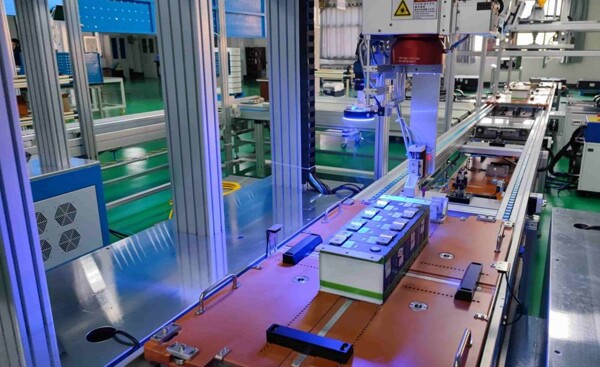
A team of Chinese researchers has developed an innovative technology that can extract gold and other precious metals from old electronic devices in less than 20 minutes, with high efficiency and low cost compared to traditional methods, which could have a major impact on the global recycling industry.
The new technology, developed by researchers from the Guangzhou Institute of Energy Conversion at the Chinese Academy of Sciences and South China University of Technology, relies on a mixture of simple chemicals and an aqueous solution, without the need for toxic substances or complex external catalysts. This method works at room temperature, making it safer and more efficient than traditional methods that require high heat and harmful chemicals.
Despite this significant interest, the amount of gold in old mobile phones is small and does not significantly affect the gold or phone markets. The gold resulting from these processes is considered "scrap gold" and is usually sold to specific goldsmiths who accept it to be reused with other metals, rather than entering the market as a high-purity final product.
On the other hand, some traders mention that this trade was not as widespread before, and that marketing and advertising on social media have contributed to the increased demand for it.