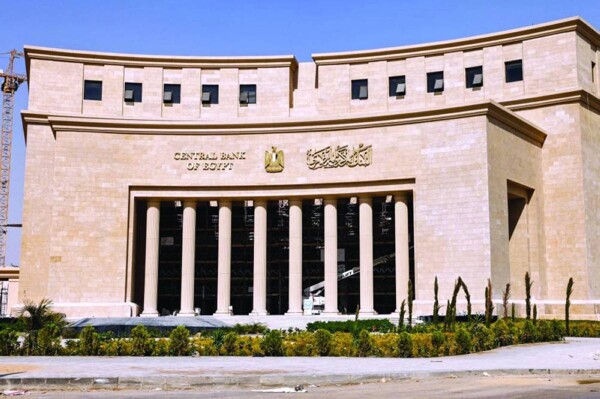
The Central Bank of Egypt has warned of a significant increase in cyber fraud attempts targeting bank customers in Egypt via phone calls, text messages, and the internet, as scammers' methods evolve and they rely on deceiving victims to obtain their financial data. This warning is part of the Egyptian government's efforts to enhance digital security. The Council of Ministers has published a video highlighting the most dangerous fraud methods and how to prevent them. What is the most dangerous fraud method currently? Officials from the Central Bank revealed that the most prevalent and dangerous method is known as 'social engineering,' a technique that relies on psychological manipulation and deceiving customers into sharing their confidential banking information. Scammers exploit the victim's trust or sense of anxiety to push them into making quick decisions without verification. Key methods of bank account theft. The banking sector is witnessing a range of widespread fraudulent methods, including: - Fake phone calls where the caller impersonates a bank employee and requests an update of details or a PIN. - Text messages containing fake links that claim to have a credit or financial offer. - Fake offers and loyalty points attributed to banks with the aim of stealing card data. - Fraud via apps like WhatsApp using hacked numbers of relatives or friends. - Targeting pensioners with offers of help to cash their benefits in exchange for their data. Vodafone Egypt also issued urgent warnings to its customers after detecting a rise in account hacking and data theft attempts, especially among users of the 'Vodafone Cash' service. Vodafone revealed that scammers use various deceptive methods to trap victims, the most prominent being: - Sending fake text messages offering prizes or attractive deals. - These messages often contain fake links that appear to belong to Vodafone but are designed to steal user data. The company stressed the need to avoid clicking on any untrusted links, emphasizing that transactions should only be conducted through the official 'Ana Vodafone' app or the company's verified and authenticated channels. What to do if you are targeted by fraud? In case of suspicion of a fraud attempt, experts advise taking immediate steps to mitigate risks: - Stop interacting with the person or message immediately. - Keep the chat or call as evidence. - Contact the bank directly to block the card or secure the account. - Report to the relevant authorities to take legal action. Golden tips to protect your bank account. The Central Bank of Egypt outlined key guidelines to help customers protect themselves from fraud, primarily that banks do not ask for your sensitive information over the phone or via messages. It emphasized not sharing your OTP (One-Time Password) with anyone under any circumstances and avoiding clicking on untrusted links. The Central Bank of Egypt also warned against disclosing your PIN or card details to any party and not keeping your PIN near your bank card. Legal protection and deterrent penalties. The Central Bank clarified that Egyptian law guarantees the confidentiality of bank accounts and financial transactions and imposes strict penalties for anyone attempting to breach data or unlawfully use banking information, a step aimed at boosting confidence in the banking sector.