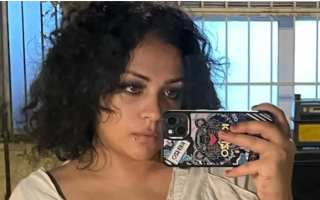
The story of Egyptian actress Mariam Shawqi, which sparked intense debate on social media, has erupted into a new controversy, this time headlined 'Egypt's Reputation.' Shawqi, an actress in her twenties, posted a video on her Instagram and TikTok accounts showing a young man harassing her on a bus. In the video, she stated, 'This time he followed me and got on the bus after I finished work... he was making advances toward me.' The young woman tried to provoke a sense of chivalry among the bus passengers to get them to intervene on her behalf, but she found herself alone. The video showed men at the back of the bus watching her with indifference, while the young man mocked her appearance, insulted her, and criticized her clothes. No one on the bus intervened; instead, they defended the man and scolded her, telling her to 'sit quietly,' reigniting the debate in Egypt about society's treatment of sexual harassment victims. After the video went viral online, the woman received some support, but it quickly dissipated amid a flood of abuse and threats. Even popular singer Hassan Shakoush defended the young man, justifying the incident by pointing out that the woman had a lip ring and saying, 'She puts things in her mouth, and then claims the man harassed her... it's obvious she wanted it herself.' Comments about the woman online were even more vicious, with one user writing, 'I'll be the first to kill you.' Egyptian authorities detained the man, whose identity was identified through the video. A previous United Nations study had found that 99.3% of Egyptian women reported experiencing harassment, and more than 80% had faced continuous harassment on public transportation.