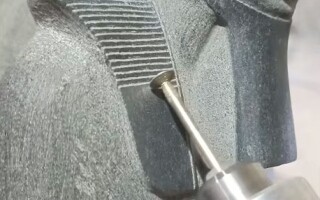
A controversy is brewing in Egypt over a video that allegedly shows modern replicas of ancient artifacts intended for the Grand Egyptian Museum. Social media posts claimed that all Pharaonic exhibits in the museum are recent forgeries. One comment read: 'The Egyptian people are creative and artistic in sculpting and making statues from plaster (has nothing to do with antiquities) over ten years, working day and night to prepare the Grand Egyptian Museum. Japan paid 800 million dollars for these plaster statues.' However, a fact-check by CNN found that the video is linked to an Egyptian sculptor living in Luxor in the south of the country, who creates commercial Pharaonic-style models. This is a known practice in Egypt, but it is not related to official work. A reverse image search revealed the sculptor to be Barkat Hamza Abdelhakim, who, according to Egyptian media, inherited the profession from his father. Barkat posted the video on his TikTok account last Wednesday, with the caption: 'From rare black granite, wearing the royal Nemes crown.' In a previous interview with the TEN channel on August 24, 2024, Barkat stated that he has been working in commercial sculpture with his family for over 15 years, but wanted to delve into it as an art form, saying, 'All my work is for sale.'